Looksmax - Men's Self Improvement Forum

Welcome to the ultimate men’s self-improvement community where like-minded individuals come together to level up every aspect of their lives. Whether it’s building confidence, improving your mindset, optimizing health, or mastering aesthetics, this is the place to become the best version of yourself. Join the hood and start your transformation today.

Theory Sugar Complex Carbohydrates and Its relation to IGF-1. It is not what it seems like. (2 Viewers)

Theory Sugar Complex Carbohydrates and Its relation to IGF-1. It is not what it seems like.

Histy

⭐⭐⭐⭐⭐
Joined
Dec 30, 2025
Posts
24
Reputation
27
So , at this thread I am explaining why some people stick to high amount of sugar while boosting igf-1 and what is the relationship between sugar and carbohydrates.​

GH acts through its GH receptor (GHR) to modulate the production and function of insulin-like growth factor 1 (IGF1) and insulin. GH, IGF1, and insulin act on multiple tissues to coordinate metabolic control in a context-

The main source of circulating IGF-I in mammals is the liver, and its role as an endocrine mediator of growth hormone has been established for half a century. Although nearly 80% of the circulating IGF-I comes from hepatic sources, IGF-I.

So it is just sort of GH hormone that is related to human growth hormone.
You can read deeply if you want here.

IGF-I REGULATORY SYSTEM AND BONE Growth:
IGF-I bioactivity is modulated by the IGFBPs (IGFBP-1 to -6), and their role in skeletal acquisition has been analyzed using genetically altered mice. The function of IGFBPs with respect to IGF-I signaling depends on the relative molar ratio between IGFBPs and IGF-I, but IGFBPs are primarily considered to work as inhibitors for IGF-I, as is true for IGFBP-2, which has been shown to block IGF-I binding to its receptor. Hence, IGFBP-2 has been regarded as a negative regulator for IGF-I–induced bone acquisition. For example, in vitro analysis revealed that IGFBP-2 inhibited IGF-I–stimulated bone cell proliferation, collagen synthesis, and bone formation.
You can read more about it here

Sugar is a type of carbohydrate, the body's main energy source, but not all carbs are sugars; carbohydrates also include starches and fiber, categorized as simple (sugars like glucose, fructose) or complex (starches, fiber), with simple carbs breaking down quickly for fast energy, while complex ones provide slower, sustained energy, all ultimately being processed into glucose for fuel.

So it is just a sort of Carbohydrates and nothing superior about it. Relationship between sugar and carbohydrates.

But why you should be careful??!
(Sugars): Have simple structures (one or two sugar units) and are quickly digested, causing rapid blood sugar spikes and energy bursts, followed by crashes.
So over-consuming it may leads to diabetes and you will suffer for the rest of your life.

Sugar doesn't directly cause diabetes, but high intake, especially from sugary drinks, significantly increases the risk for Type 2 diabetes by promoting weight gain and insulin resistance, where cells stop responding well to insulin, causing blood sugar to rise. While Type 1 is autoimmune, excess sugar for Type 2 leads to fat cells becoming less sensitive to insulin, driving visceral fat and inflammation, key factors in developing the disease, with reducing sugar intake improving cardiovascular health markers and diabetes risk.


How High Sugar Intake Contributes to Type 2 Diabetes:
  • Calorie Overload & Weight Gain: Sugary foods and drinks are high in calories, leading to excess calorie intake and weight gain.
  • Insulin Resistance: Constant high sugar intake makes the pancreas work overtime, producing insulin; eventually, cells become resistant to insulin's signal.
  • Visceral Fat: Overconsumption drives fat storage, especially around organs (visceral fat), promoting inflammation.
  • Inflammation: High sugar levels increase inflammation, further impairing insulin sensitivity.
  • Sugar-Sweetened Beverages (SSBs): These have a strong, direct link to increased Type 2 diabetes risk, even beyond their calorie impact.
The Role of Carbohydrates & Glucose:
  • All carbohydrates break down into glucose (sugar) for energy.
  • Insulin moves this glucose from the blood into cells.
  • When sugar intake is consistently high, glucose builds up in the bloodstream (hyperglycemia), damaging health over time.
This is an article prooving high sugar intake for a long time causes diabetes. Article


I hope anyone who uses a high amount of sugar to read this thread and check the articles to know it is just a cope from people like Kent to misguid people and destroy their health, believing they will ascend. :PeepoComfy:

I hope this shit helps someone , y'all are getting crazy and easy manipulated from TikTok Influencers. :feelsez::hmmm:
 

carbon

Friendly guy
Joined
Jan 7, 2026
Posts
527
Reputation
1,128
IMG_8726.jpeg
 

FS51

Worst upper lip on the forum
Joined
Dec 25, 2025
Posts
2,888
Reputation
6,658
So , at this thread I am explaining why some people stick to high amount of sugar while boosting igf-1 and what is the relationship between sugar and carbohydrates.​

GH acts through its GH receptor (GHR) to modulate the production and function of insulin-like growth factor 1 (IGF1) and insulin. GH, IGF1, and insulin act on multiple tissues to coordinate metabolic control in a context-

The main source of circulating IGF-I in mammals is the liver, and its role as an endocrine mediator of growth hormone has been established for half a century. Although nearly 80% of the circulating IGF-I comes from hepatic sources, IGF-I.

So it is just sort of GH hormone that is related to human growth hormone.
You can read deeply if you want here.

IGF-I REGULATORY SYSTEM AND BONE Growth:
IGF-I bioactivity is modulated by the IGFBPs (IGFBP-1 to -6), and their role in skeletal acquisition has been analyzed using genetically altered mice. The function of IGFBPs with respect to IGF-I signaling depends on the relative molar ratio between IGFBPs and IGF-I, but IGFBPs are primarily considered to work as inhibitors for IGF-I, as is true for IGFBP-2, which has been shown to block IGF-I binding to its receptor. Hence, IGFBP-2 has been regarded as a negative regulator for IGF-I–induced bone acquisition. For example, in vitro analysis revealed that IGFBP-2 inhibited IGF-I–stimulated bone cell proliferation, collagen synthesis, and bone formation.
You can read more about it here

Sugar is a type of carbohydrate, the body's main energy source, but not all carbs are sugars; carbohydrates also include starches and fiber, categorized as simple (sugars like glucose, fructose) or complex (starches, fiber), with simple carbs breaking down quickly for fast energy, while complex ones provide slower, sustained energy, all ultimately being processed into glucose for fuel.

So it is just a sort of Carbohydrates and nothing superior about it. Relationship between sugar and carbohydrates.

But why you should be careful??!
(Sugars): Have simple structures (one or two sugar units) and are quickly digested, causing rapid blood sugar spikes and energy bursts, followed by crashes.
So over-consuming it may leads to diabetes and you will suffer for the rest of your life.

Sugar doesn't directly cause diabetes, but high intake, especially from sugary drinks, significantly increases the risk for Type 2 diabetes by promoting weight gain and insulin resistance, where cells stop responding well to insulin, causing blood sugar to rise. While Type 1 is autoimmune, excess sugar for Type 2 leads to fat cells becoming less sensitive to insulin, driving visceral fat and inflammation, key factors in developing the disease, with reducing sugar intake improving cardiovascular health markers and diabetes risk.


How High Sugar Intake Contributes to Type 2 Diabetes:
  • Calorie Overload & Weight Gain: Sugary foods and drinks are high in calories, leading to excess calorie intake and weight gain.
  • Insulin Resistance: Constant high sugar intake makes the pancreas work overtime, producing insulin; eventually, cells become resistant to insulin's signal.
  • Visceral Fat: Overconsumption drives fat storage, especially around organs (visceral fat), promoting inflammation.
  • Inflammation: High sugar levels increase inflammation, further impairing insulin sensitivity.
  • Sugar-Sweetened Beverages (SSBs): These have a strong, direct link to increased Type 2 diabetes risk, even beyond their calorie impact.
The Role of Carbohydrates & Glucose:
  • All carbohydrates break down into glucose (sugar) for energy.
  • Insulin moves this glucose from the blood into cells.
  • When sugar intake is consistently high, glucose builds up in the bloodstream (hyperglycemia), damaging health over time.
This is an article prooving high sugar intake for a long time causes diabetes. Article


I hope anyone who uses a high amount of sugar to read this thread and check the articles to know it is just a cope from people like Kent to misguid people and destroy their health, believing they will ascend. :PeepoComfy:

I hope this shit helps someone , y'all are getting crazy and easy manipulated from TikTok Influencers. :feelsez::hmmm:
Good thread but everyone already knows This
 

Ascension

Reta is meta
Joined
Jan 7, 2026
Posts
430
Reputation
495
So , at this thread I am explaining why some people stick to high amount of sugar while boosting igf-1 and what is the relationship between sugar and carbohydrates.​

GH acts through its GH receptor (GHR) to modulate the production and function of insulin-like growth factor 1 (IGF1) and insulin. GH, IGF1, and insulin act on multiple tissues to coordinate metabolic control in a context-

The main source of circulating IGF-I in mammals is the liver, and its role as an endocrine mediator of growth hormone has been established for half a century. Although nearly 80% of the circulating IGF-I comes from hepatic sources, IGF-I.

So it is just sort of GH hormone that is related to human growth hormone.
You can read deeply if you want here.

IGF-I REGULATORY SYSTEM AND BONE Growth:
IGF-I bioactivity is modulated by the IGFBPs (IGFBP-1 to -6), and their role in skeletal acquisition has been analyzed using genetically altered mice. The function of IGFBPs with respect to IGF-I signaling depends on the relative molar ratio between IGFBPs and IGF-I, but IGFBPs are primarily considered to work as inhibitors for IGF-I, as is true for IGFBP-2, which has been shown to block IGF-I binding to its receptor. Hence, IGFBP-2 has been regarded as a negative regulator for IGF-I–induced bone acquisition. For example, in vitro analysis revealed that IGFBP-2 inhibited IGF-I–stimulated bone cell proliferation, collagen synthesis, and bone formation.
You can read more about it here

Sugar is a type of carbohydrate, the body's main energy source, but not all carbs are sugars; carbohydrates also include starches and fiber, categorized as simple (sugars like glucose, fructose) or complex (starches, fiber), with simple carbs breaking down quickly for fast energy, while complex ones provide slower, sustained energy, all ultimately being processed into glucose for fuel.

So it is just a sort of Carbohydrates and nothing superior about it. Relationship between sugar and carbohydrates.

But why you should be careful??!
(Sugars): Have simple structures (one or two sugar units) and are quickly digested, causing rapid blood sugar spikes and energy bursts, followed by crashes.
So over-consuming it may leads to diabetes and you will suffer for the rest of your life.

Sugar doesn't directly cause diabetes, but high intake, especially from sugary drinks, significantly increases the risk for Type 2 diabetes by promoting weight gain and insulin resistance, where cells stop responding well to insulin, causing blood sugar to rise. While Type 1 is autoimmune, excess sugar for Type 2 leads to fat cells becoming less sensitive to insulin, driving visceral fat and inflammation, key factors in developing the disease, with reducing sugar intake improving cardiovascular health markers and diabetes risk.


How High Sugar Intake Contributes to Type 2 Diabetes:
  • Calorie Overload & Weight Gain: Sugary foods and drinks are high in calories, leading to excess calorie intake and weight gain.
  • Insulin Resistance: Constant high sugar intake makes the pancreas work overtime, producing insulin; eventually, cells become resistant to insulin's signal.
  • Visceral Fat: Overconsumption drives fat storage, especially around organs (visceral fat), promoting inflammation.
  • Inflammation: High sugar levels increase inflammation, further impairing insulin sensitivity.
  • Sugar-Sweetened Beverages (SSBs): These have a strong, direct link to increased Type 2 diabetes risk, even beyond their calorie impact.
The Role of Carbohydrates & Glucose:
  • All carbohydrates break down into glucose (sugar) for energy.
  • Insulin moves this glucose from the blood into cells.
  • When sugar intake is consistently high, glucose builds up in the bloodstream (hyperglycemia), damaging health over time.
This is an article prooving high sugar intake for a long time causes diabetes. Article


I hope anyone who uses a high amount of sugar to read this thread and check the articles to know it is just a cope from people like Kent to misguid people and destroy their health, believing they will ascend. :PeepoComfy:

I hope this shit helps someone , y'all are getting crazy and easy manipulated from TikTok Influencers. :feelsez::hmmm:
Good thread
 

bob08674

Retarded subhuman mentalcel
Joined
Nov 22, 2025
Posts
1,633
Reputation
2,887
So , at this thread I am explaining why some people stick to high amount of sugar while boosting igf-1 and what is the relationship between sugar and carbohydrates.​

GH acts through its GH receptor (GHR) to modulate the production and function of insulin-like growth factor 1 (IGF1) and insulin. GH, IGF1, and insulin act on multiple tissues to coordinate metabolic control in a context-

The main source of circulating IGF-I in mammals is the liver, and its role as an endocrine mediator of growth hormone has been established for half a century. Although nearly 80% of the circulating IGF-I comes from hepatic sources, IGF-I.

So it is just sort of GH hormone that is related to human growth hormone.
You can read deeply if you want here.

IGF-I REGULATORY SYSTEM AND BONE Growth:
IGF-I bioactivity is modulated by the IGFBPs (IGFBP-1 to -6), and their role in skeletal acquisition has been analyzed using genetically altered mice. The function of IGFBPs with respect to IGF-I signaling depends on the relative molar ratio between IGFBPs and IGF-I, but IGFBPs are primarily considered to work as inhibitors for IGF-I, as is true for IGFBP-2, which has been shown to block IGF-I binding to its receptor. Hence, IGFBP-2 has been regarded as a negative regulator for IGF-I–induced bone acquisition. For example, in vitro analysis revealed that IGFBP-2 inhibited IGF-I–stimulated bone cell proliferation, collagen synthesis, and bone formation.
You can read more about it here

Sugar is a type of carbohydrate, the body's main energy source, but not all carbs are sugars; carbohydrates also include starches and fiber, categorized as simple (sugars like glucose, fructose) or complex (starches, fiber), with simple carbs breaking down quickly for fast energy, while complex ones provide slower, sustained energy, all ultimately being processed into glucose for fuel.

So it is just a sort of Carbohydrates and nothing superior about it. Relationship between sugar and carbohydrates.

But why you should be careful??!
(Sugars): Have simple structures (one or two sugar units) and are quickly digested, causing rapid blood sugar spikes and energy bursts, followed by crashes.
So over-consuming it may leads to diabetes and you will suffer for the rest of your life.

Sugar doesn't directly cause diabetes, but high intake, especially from sugary drinks, significantly increases the risk for Type 2 diabetes by promoting weight gain and insulin resistance, where cells stop responding well to insulin, causing blood sugar to rise. While Type 1 is autoimmune, excess sugar for Type 2 leads to fat cells becoming less sensitive to insulin, driving visceral fat and inflammation, key factors in developing the disease, with reducing sugar intake improving cardiovascular health markers and diabetes risk.


How High Sugar Intake Contributes to Type 2 Diabetes:
  • Calorie Overload & Weight Gain: Sugary foods and drinks are high in calories, leading to excess calorie intake and weight gain.
  • Insulin Resistance: Constant high sugar intake makes the pancreas work overtime, producing insulin; eventually, cells become resistant to insulin's signal.
  • Visceral Fat: Overconsumption drives fat storage, especially around organs (visceral fat), promoting inflammation.
  • Inflammation: High sugar levels increase inflammation, further impairing insulin sensitivity.
  • Sugar-Sweetened Beverages (SSBs): These have a strong, direct link to increased Type 2 diabetes risk, even beyond their calorie impact.
The Role of Carbohydrates & Glucose:
  • All carbohydrates break down into glucose (sugar) for energy.
  • Insulin moves this glucose from the blood into cells.
  • When sugar intake is consistently high, glucose builds up in the bloodstream (hyperglycemia), damaging health over time.
This is an article prooving high sugar intake for a long time causes diabetes. Article


I hope anyone who uses a high amount of sugar to read this thread and check the articles to know it is just a cope from people like Kent to misguid people and destroy their health, believing they will ascend. :PeepoComfy:

I hope this shit helps someone , y'all are getting crazy and easy manipulated from TikTok Influencers. :feelsez::hmmm:
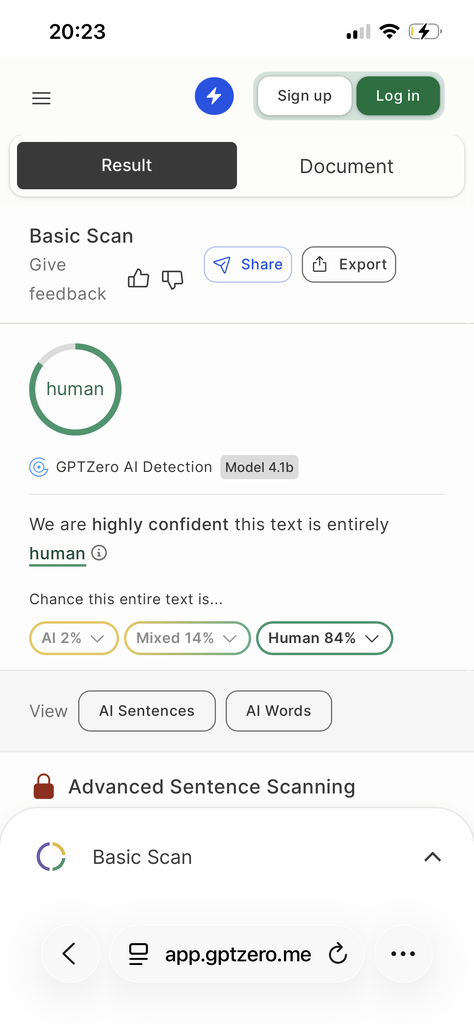
Gptslop
 

Z1gler7

former worst rep in forum
Joined
Nov 29, 2025
Posts
1,172
Reputation
1,918
So , at this thread I am explaining why some people stick to high amount of sugar while boosting igf-1 and what is the relationship between sugar and carbohydrates.​

GH acts through its GH receptor (GHR) to modulate the production and function of insulin-like growth factor 1 (IGF1) and insulin. GH, IGF1, and insulin act on multiple tissues to coordinate metabolic control in a context-

The main source of circulating IGF-I in mammals is the liver, and its role as an endocrine mediator of growth hormone has been established for half a century. Although nearly 80% of the circulating IGF-I comes from hepatic sources, IGF-I.

So it is just sort of GH hormone that is related to human growth hormone.
You can read deeply if you want here.

IGF-I REGULATORY SYSTEM AND BONE Growth:
IGF-I bioactivity is modulated by the IGFBPs (IGFBP-1 to -6), and their role in skeletal acquisition has been analyzed using genetically altered mice. The function of IGFBPs with respect to IGF-I signaling depends on the relative molar ratio between IGFBPs and IGF-I, but IGFBPs are primarily considered to work as inhibitors for IGF-I, as is true for IGFBP-2, which has been shown to block IGF-I binding to its receptor. Hence, IGFBP-2 has been regarded as a negative regulator for IGF-I–induced bone acquisition. For example, in vitro analysis revealed that IGFBP-2 inhibited IGF-I–stimulated bone cell proliferation, collagen synthesis, and bone formation.
You can read more about it here

Sugar is a type of carbohydrate, the body's main energy source, but not all carbs are sugars; carbohydrates also include starches and fiber, categorized as simple (sugars like glucose, fructose) or complex (starches, fiber), with simple carbs breaking down quickly for fast energy, while complex ones provide slower, sustained energy, all ultimately being processed into glucose for fuel.

So it is just a sort of Carbohydrates and nothing superior about it. Relationship between sugar and carbohydrates.

But why you should be careful??!
(Sugars): Have simple structures (one or two sugar units) and are quickly digested, causing rapid blood sugar spikes and energy bursts, followed by crashes.
So over-consuming it may leads to diabetes and you will suffer for the rest of your life.

Sugar doesn't directly cause diabetes, but high intake, especially from sugary drinks, significantly increases the risk for Type 2 diabetes by promoting weight gain and insulin resistance, where cells stop responding well to insulin, causing blood sugar to rise. While Type 1 is autoimmune, excess sugar for Type 2 leads to fat cells becoming less sensitive to insulin, driving visceral fat and inflammation, key factors in developing the disease, with reducing sugar intake improving cardiovascular health markers and diabetes risk.


How High Sugar Intake Contributes to Type 2 Diabetes:
  • Calorie Overload & Weight Gain: Sugary foods and drinks are high in calories, leading to excess calorie intake and weight gain.
  • Insulin Resistance: Constant high sugar intake makes the pancreas work overtime, producing insulin; eventually, cells become resistant to insulin's signal.
  • Visceral Fat: Overconsumption drives fat storage, especially around organs (visceral fat), promoting inflammation.
  • Inflammation: High sugar levels increase inflammation, further impairing insulin sensitivity.
  • Sugar-Sweetened Beverages (SSBs): These have a strong, direct link to increased Type 2 diabetes risk, even beyond their calorie impact.
The Role of Carbohydrates & Glucose:
  • All carbohydrates break down into glucose (sugar) for energy.
  • Insulin moves this glucose from the blood into cells.
  • When sugar intake is consistently high, glucose builds up in the bloodstream (hyperglycemia), damaging health over time.
This is an article prooving high sugar intake for a long time causes diabetes. Article


I hope anyone who uses a high amount of sugar to read this thread and check the articles to know it is just a cope from people like Kent to misguid people and destroy their health, believing they will ascend. :PeepoComfy:

I hope this shit helps someone , y'all are getting crazy and easy manipulated from TikTok Influencers. :feelsez::hmmm:
nice i read all of it
 

Users who are viewing this thread

shape1
shape2
shape3
shape4
shape5
shape6
Top