Looksmax - Men's Self Improvement Forum

Welcome to the ultimate men’s self-improvement community where like-minded individuals come together to level up every aspect of their lives. Whether it’s building confidence, improving your mindset, optimizing health, or mastering aesthetics, this is the place to become the best version of yourself. Join the hood and start your transformation today.
  • Register to unlock full access to the community including active real-time chat, premium courses and guides, Rate Me and Moneymaxing subforums.

Guide Guide: Increasing Bone Mass at Any Age Through Subperiosteal Hematoma Ossification
  • Thread starter Deleted member 26729
  • Start date

ltbslayerr33

It’s impossible to fit in, and be happy - goatis
Joined
Nov 12, 2025
Posts
335
Reputation
315
This is not medical advice. Subperiosteal hematoma ossification is a rare, medically documented phenomenon but not a controlled cosmetic procedure. Always consult a medical professional before attempting anything.⚠️⚠️⚠️


View attachment 5865

1. What Is Subperiosteal Hematoma Ossification?

A subperiosteal hematoma is a collection of blood under the periosteum
the thin membrane surrounding bone.
In certain documented cases (medical literature), this trapped blood triggers:
1.local inflammation

2.release of growth factors

3.activation of periosteal stem cells

4.new bone formation
This process is called subperiosteal ossification.

Even adults can increase bone mass if a subperiosteal hematoma forms and ossifies correctly.
theoretically:

increase bone thickness

sharpen bone contours (jawline, brow ridge, cheekbones)

strengthen facial structure

produce lasting results (actual bone, not temporary swelling)


This would be one of the few methods capable of true structural enhancement without surgery.
3. Scientific Basis (Documented Cases)

Subperiosteal ossification is rare but real. Medical reports show:

Adolescents developing new bone after facial hematomas

Ossified subperiosteal hematomas on cranium, orbit, pelvis

Hematomas converting into bone over weeks–months

The periosteum playing a major role in osteogenesis


These cases confirm the biological possibility, though outcomes differ widely and are not cosmetically controlled.
Phase 1 : Research

Read on periosteal biology, hematomas, and ossification.

Understand risks (infection, asymmetry, unwanted bone lumps).


Phase 2 — Risk Assessment

Consult a doctor or radiologist.

Plan imaging (X-ray, CT, MRI) for monitoring.
Ensure you understand nerve/vessel locations (esp. on the face).


Phase 3 Inducing a Controlled Microtrauma

The goal:
A small, localized, subperiosteal hematoma not a deep bruise.

Potential methods (theoretical):

localized pressure

mechanical micro-trauma

repeated controlled impact


Important:
Never use excessive force. Never attempt without medical supervision.
Uncontrolled trauma can deform bone, damage nerves, or cause chronic issues.

Phase 4 : Monitoring the Hematoma

Signs include:

firm swelling near bone

slight raised contour

pressure sensitivity


Medical imaging is required to confirm whether a subperiosteal hematoma formed.

Phase 5 : Ossification Support

If a hematoma forms:

adequate calcium intake

vitamin D levels in optimal range

mechanical stress (light, frequent pressure)
These factors support osteoblast activity but effect varies greatly between individuals.

Phase 6 : Evaluation

Monitor:

bone shape

symmetry

any abnormal growth


If ossification occurs, results may last permanently.

Phase 7: Long-Term Maintenance
keep vitamin D and calcium in good ranges
maintain normal mechanical stress through daily activity
follow up annually with imaging if needed


5. Pros & Cons

Potential Benefits

True bone mass increase

Long-lasting change

Possibility of targeted enhancement (jaw, brow, cheekbones)


Major Risks

asymmetrical or irregular bone growth

nerve/vessel injury

chronic inflammation

infection

permanent deformity

need for surgical correction


This is not a beginner looksmax method it is experimental and high-risk.
Good luck bhais :dicapriolaugh:
thank brah :respect:
 

manletprofile

miring
Joined
Nov 15, 2025
Posts
194
Reputation
277
This is not medical advice. Subperiosteal hematoma ossification is a rare, medically documented phenomenon but not a controlled cosmetic procedure. Always consult a medical professional before attempting anything.⚠️⚠️⚠️


View attachment 5865

1. What Is Subperiosteal Hematoma Ossification?

A subperiosteal hematoma is a collection of blood under the periosteum
the thin membrane surrounding bone.
In certain documented cases (medical literature), this trapped blood triggers:
1.local inflammation

2.release of growth factors

3.activation of periosteal stem cells

4.new bone formation
This process is called subperiosteal ossification.

Even adults can increase bone mass if a subperiosteal hematoma forms and ossifies correctly.
theoretically:

increase bone thickness

sharpen bone contours (jawline, brow ridge, cheekbones)

strengthen facial structure

produce lasting results (actual bone, not temporary swelling)


This would be one of the few methods capable of true structural enhancement without surgery.
3. Scientific Basis (Documented Cases)

Subperiosteal ossification is rare but real. Medical reports show:

Adolescents developing new bone after facial hematomas

Ossified subperiosteal hematomas on cranium, orbit, pelvis

Hematomas converting into bone over weeks–months

The periosteum playing a major role in osteogenesis


These cases confirm the biological possibility, though outcomes differ widely and are not cosmetically controlled.
Phase 1 : Research

Read on periosteal biology, hematomas, and ossification.

Understand risks (infection, asymmetry, unwanted bone lumps).


Phase 2 — Risk Assessment

Consult a doctor or radiologist.

Plan imaging (X-ray, CT, MRI) for monitoring.
Ensure you understand nerve/vessel locations (esp. on the face).


Phase 3 Inducing a Controlled Microtrauma

The goal:
A small, localized, subperiosteal hematoma not a deep bruise.

Potential methods (theoretical):

localized pressure

mechanical micro-trauma

repeated controlled impact


Important:
Never use excessive force. Never attempt without medical supervision.
Uncontrolled trauma can deform bone, damage nerves, or cause chronic issues.

Phase 4 : Monitoring the Hematoma

Signs include:

firm swelling near bone

slight raised contour

pressure sensitivity


Medical imaging is required to confirm whether a subperiosteal hematoma formed.

Phase 5 : Ossification Support

If a hematoma forms:

adequate calcium intake

vitamin D levels in optimal range

mechanical stress (light, frequent pressure)
These factors support osteoblast activity but effect varies greatly between individuals.

Phase 6 : Evaluation

Monitor:

bone shape

symmetry

any abnormal growth


If ossification occurs, results may last permanently.

Phase 7: Long-Term Maintenance
keep vitamin D and calcium in good ranges
maintain normal mechanical stress through daily activity
follow up annually with imaging if needed


5. Pros & Cons

Potential Benefits

True bone mass increase

Long-lasting change

Possibility of targeted enhancement (jaw, brow, cheekbones)


Major Risks

asymmetrical or irregular bone growth

nerve/vessel injury

chronic inflammation

infection

permanent deformity

need for surgical correction


This is not a beginner looksmax method it is experimental and high-risk.
Good luck bhais :dicapriolaugh:
bonesmashing pro max
 
D

Deleted member 26528

Bluepiller
This is not medical advice. Subperiosteal hematoma ossification is a rare, medically documented phenomenon but not a controlled cosmetic procedure. Always consult a medical professional before attempting anything.⚠️⚠️⚠️


View attachment 5865

1. What Is Subperiosteal Hematoma Ossification?

A subperiosteal hematoma is a collection of blood under the periosteum
the thin membrane surrounding bone.
In certain documented cases (medical literature), this trapped blood triggers:
1.local inflammation

2.release of growth factors

3.activation of periosteal stem cells

4.new bone formation
This process is called subperiosteal ossification.

Even adults can increase bone mass if a subperiosteal hematoma forms and ossifies correctly.
theoretically:

increase bone thickness

sharpen bone contours (jawline, brow ridge, cheekbones)

strengthen facial structure

produce lasting results (actual bone, not temporary swelling)


This would be one of the few methods capable of true structural enhancement without surgery.
3. Scientific Basis (Documented Cases)

Subperiosteal ossification is rare but real. Medical reports show:

Adolescents developing new bone after facial hematomas

Ossified subperiosteal hematomas on cranium, orbit, pelvis

Hematomas converting into bone over weeks–months

The periosteum playing a major role in osteogenesis


These cases confirm the biological possibility, though outcomes differ widely and are not cosmetically controlled.
Phase 1 : Research

Read on periosteal biology, hematomas, and ossification.

Understand risks (infection, asymmetry, unwanted bone lumps).


Phase 2 — Risk Assessment

Consult a doctor or radiologist.

Plan imaging (X-ray, CT, MRI) for monitoring.
Ensure you understand nerve/vessel locations (esp. on the face).


Phase 3 Inducing a Controlled Microtrauma

The goal:
A small, localized, subperiosteal hematoma not a deep bruise.

Potential methods (theoretical):

localized pressure

mechanical micro-trauma

repeated controlled impact


Important:
Never use excessive force. Never attempt without medical supervision.
Uncontrolled trauma can deform bone, damage nerves, or cause chronic issues.

Phase 4 : Monitoring the Hematoma

Signs include:

firm swelling near bone

slight raised contour

pressure sensitivity


Medical imaging is required to confirm whether a subperiosteal hematoma formed.

Phase 5 : Ossification Support

If a hematoma forms:

adequate calcium intake

vitamin D levels in optimal range

mechanical stress (light, frequent pressure)
These factors support osteoblast activity but effect varies greatly between individuals.

Phase 6 : Evaluation

Monitor:

bone shape

symmetry

any abnormal growth


If ossification occurs, results may last permanently.

Phase 7: Long-Term Maintenance
keep vitamin D and calcium in good ranges
maintain normal mechanical stress through daily activity
follow up annually with imaging if needed


5. Pros & Cons

Potential Benefits

True bone mass increase

Long-lasting change

Possibility of targeted enhancement (jaw, brow, cheekbones)


Major Risks

asymmetrical or irregular bone growth

nerve/vessel injury

chronic inflammation

infection

permanent deformity

need for surgical correction


This is not a beginner looksmax method it is experimental and high-risk.
Good luck bhais :dicapriolaugh:
Botb
 

Gigel

Execute project C
Joined
Oct 30, 2025
Posts
3,602
Reputation
4,387
I watched your youtube video on this topic when it appeared , and realised ive been doing this the whole time no wonder my cheekbones grew
 
D

Deleted member 26729

Bluepiller
I watched your youtube video on this topic when it appeared , and realised ive been doing this the whole time no wonder my cheekbones grew
Are u willing to share ur process here
 

Steve Rogers

Hello
Joined
Sep 21, 2025
Posts
185
Reputation
464
This is not medical advice. Subperiosteal hematoma ossification is a rare, medically documented phenomenon but not a controlled cosmetic procedure. Always consult a medical professional before attempting anything.⚠️⚠️⚠️


View attachment 5865

1. What Is Subperiosteal Hematoma Ossification?

A subperiosteal hematoma is a collection of blood under the periosteum
the thin membrane surrounding bone.
In certain documented cases (medical literature), this trapped blood triggers:
1.local inflammation

2.release of growth factors

3.activation of periosteal stem cells

4.new bone formation
This process is called subperiosteal ossification.

Even adults can increase bone mass if a subperiosteal hematoma forms and ossifies correctly.
theoretically:

increase bone thickness

sharpen bone contours (jawline, brow ridge, cheekbones)

strengthen facial structure

produce lasting results (actual bone, not temporary swelling)


This would be one of the few methods capable of true structural enhancement without surgery.
3. Scientific Basis (Documented Cases)

Subperiosteal ossification is rare but real. Medical reports show:

Adolescents developing new bone after facial hematomas

Ossified subperiosteal hematomas on cranium, orbit, pelvis

Hematomas converting into bone over weeks–months

The periosteum playing a major role in osteogenesis


These cases confirm the biological possibility, though outcomes differ widely and are not cosmetically controlled.
Phase 1 : Research

Read on periosteal biology, hematomas, and ossification.

Understand risks (infection, asymmetry, unwanted bone lumps).


Phase 2 — Risk Assessment

Consult a doctor or radiologist.

Plan imaging (X-ray, CT, MRI) for monitoring.
Ensure you understand nerve/vessel locations (esp. on the face).


Phase 3 Inducing a Controlled Microtrauma

The goal:
A small, localized, subperiosteal hematoma not a deep bruise.

Potential methods (theoretical):

localized pressure

mechanical micro-trauma

repeated controlled impact


Important:
Never use excessive force. Never attempt without medical supervision.
Uncontrolled trauma can deform bone, damage nerves, or cause chronic issues.

Phase 4 : Monitoring the Hematoma

Signs include:

firm swelling near bone

slight raised contour

pressure sensitivity


Medical imaging is required to confirm whether a subperiosteal hematoma formed.

Phase 5 : Ossification Support

If a hematoma forms:

adequate calcium intake

vitamin D levels in optimal range

mechanical stress (light, frequent pressure)
These factors support osteoblast activity but effect varies greatly between individuals.

Phase 6 : Evaluation

Monitor:

bone shape

symmetry

any abnormal growth


If ossification occurs, results may last permanently.

Phase 7: Long-Term Maintenance
keep vitamin D and calcium in good ranges
maintain normal mechanical stress through daily activity
follow up annually with imaging if needed


5. Pros & Cons

Potential Benefits

True bone mass increase

Long-lasting change

Possibility of targeted enhancement (jaw, brow, cheekbones)


Major Risks

asymmetrical or irregular bone growth

nerve/vessel injury

chronic inflammation

infection

permanent deformity

need for surgical correction


This is not a beginner looksmax method it is experimental and high-risk.
Good luck bhais :dicapriolaugh:
can you just fuck me instead
my usual fuck buddies @Gargantuan Impersonator kurtpsl and Administrator Administrator are inactive right now
 

Orka

From .org
Joined
Sep 4, 2025
Posts
330
Reputation
816
This is not medical advice. Subperiosteal hematoma ossification is a rare, medically documented phenomenon but not a controlled cosmetic procedure. Always consult a medical professional before attempting anything.⚠️⚠️⚠️


View attachment 5865

1. What Is Subperiosteal Hematoma Ossification?

A subperiosteal hematoma is a collection of blood under the periosteum
the thin membrane surrounding bone.
In certain documented cases (medical literature), this trapped blood triggers:
1.local inflammation

2.release of growth factors

3.activation of periosteal stem cells

4.new bone formation
This process is called subperiosteal ossification.

Even adults can increase bone mass if a subperiosteal hematoma forms and ossifies correctly.
theoretically:

increase bone thickness

sharpen bone contours (jawline, brow ridge, cheekbones)

strengthen facial structure

produce lasting results (actual bone, not temporary swelling)


This would be one of the few methods capable of true structural enhancement without surgery.
3. Scientific Basis (Documented Cases)

Subperiosteal ossification is rare but real. Medical reports show:

Adolescents developing new bone after facial hematomas

Ossified subperiosteal hematomas on cranium, orbit, pelvis

Hematomas converting into bone over weeks–months

The periosteum playing a major role in osteogenesis


These cases confirm the biological possibility, though outcomes differ widely and are not cosmetically controlled.
Phase 1 : Research

Read on periosteal biology, hematomas, and ossification.

Understand risks (infection, asymmetry, unwanted bone lumps).


Phase 2 — Risk Assessment

Consult a doctor or radiologist.

Plan imaging (X-ray, CT, MRI) for monitoring.
Ensure you understand nerve/vessel locations (esp. on the face).


Phase 3 Inducing a Controlled Microtrauma

The goal:
A small, localized, subperiosteal hematoma not a deep bruise.

Potential methods (theoretical):

localized pressure

mechanical micro-trauma

repeated controlled impact


Important:
Never use excessive force. Never attempt without medical supervision.
Uncontrolled trauma can deform bone, damage nerves, or cause chronic issues.

Phase 4 : Monitoring the Hematoma

Signs include:

firm swelling near bone

slight raised contour

pressure sensitivity


Medical imaging is required to confirm whether a subperiosteal hematoma formed.

Phase 5 : Ossification Support

If a hematoma forms:

adequate calcium intake

vitamin D levels in optimal range

mechanical stress (light, frequent pressure)
These factors support osteoblast activity but effect varies greatly between individuals.

Phase 6 : Evaluation

Monitor:

bone shape

symmetry

any abnormal growth


If ossification occurs, results may last permanently.

Phase 7: Long-Term Maintenance
keep vitamin D and calcium in good ranges
maintain normal mechanical stress through daily activity
follow up annually with imaging if needed


5. Pros & Cons

Potential Benefits

True bone mass increase

Long-lasting change

Possibility of targeted enhancement (jaw, brow, cheekbones)


Major Risks

asymmetrical or irregular bone growth

nerve/vessel injury

chronic inflammation

infection

permanent deformity

need for surgical correction


This is not a beginner looksmax method it is experimental and high-risk.
Good luck bhais :dicapriolaugh:
This is completely uncontrollable, you will be asymmetrical if you try doing this method.

The risk of this is literally ruining your face forever lol
 

Steve Rogers

Hello
Joined
Sep 21, 2025
Posts
185
Reputation
464
This is completely uncontrollable, you will be asymmetrical if you try doing this method.

The risk of this is literally ruining your face forever lol
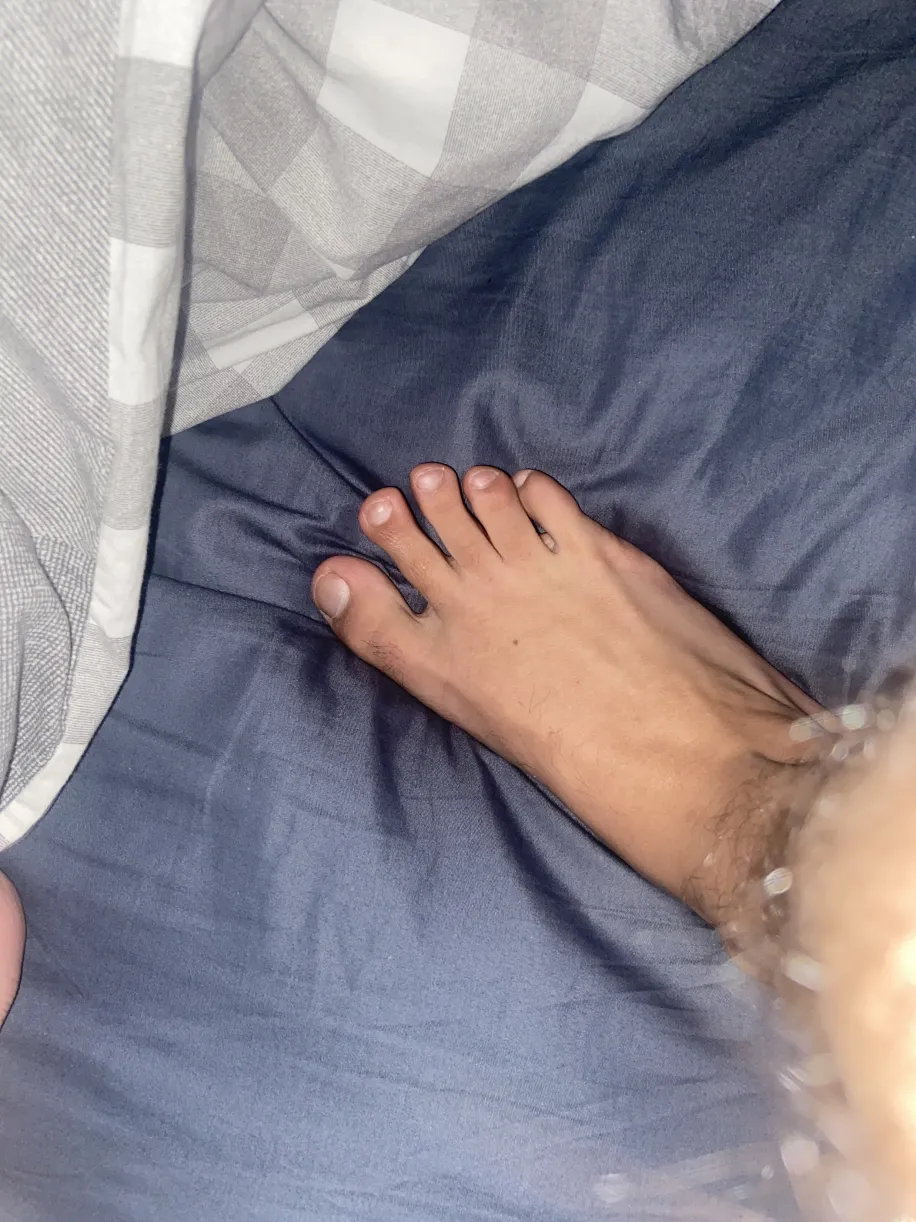
yo man can u rate my feet
 

Attachments

  • 1763367226730.png
    1763367226730.png
    1.5 MB · Views: 5
D

Deleted member 26729

Bluepiller
This is completely uncontrollable, you will be asymmetrical if you try doing this method.

The risk of this is literally ruining your face forever lol
Major Risks

asymmetrical or irregular bone growth

nerve/vessel injury

chronic inflammation

infection

permanent deformity

need for surgical correction
 

Orka

From .org
Joined
Sep 4, 2025
Posts
330
Reputation
816
yo man can u rate my feet
if Master paid his server fees properly then I would be on .org instead and wouldn't have to look at this btw

another loss for me
Major Risks

asymmetrical or irregular bone growth

nerve/vessel injury

chronic inflammation

infection

permanent deformity

need for surgical correction
yes but its not a "risk" when its guaranteed, its more of a side effect than anything, the chances are too high
 
D

Deleted member 26729

Bluepiller
if Master paid his server fees properly then I would be on .org instead and wouldn't have to look at this btw

another loss for me

yes but its not a "risk" when its guaranteed, its more of a side effect than anything, the chances are too high
Its theoretically
 
Activity
So far there's no one here

Users who are viewing this thread

shape1
shape2
shape3
shape4
shape5
shape6
Top