
idkwhatodo
bloatcel
- Joined
- Oct 22, 2025
- Posts
- 95
- Reputation
- 126
Introducion
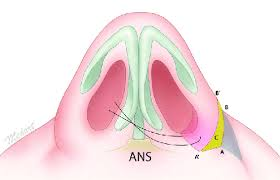
The visible nose is a mix of bone (upper third) and cartilage (lower two-thirds), covered by skin/soft tissue:
Nasal bones-form the upper bridge
Septal cartilage: central support “strut”
Upper lateral cartilages: shape the mid-vault (the middle third)
Lower lateral (alar) cartilages: define the tip, nostrils, and rim
Columella: the strip between the nostrils
Alar base: the outer width of the nostrils
-
These structures don’t just act independently they conect just having one good section is not enough
Nasal bones and upper lateral cartilages define the bridge lines
Septum and lower lateral cartilages control projection and tip
Alar base and tip determine front-view width
proportions & angles
Nasofrontal angle
other ratios imapcted by the nose are:
middle third
chin to pilthrum
effects on dimorphism
a broader nose are viewed as a dimorphic trait for men while a smaller nose is viewed as a dimorphic trait for women
functionality diffrences
in this study
Women had higher nasal resistance (NR)
(basically how hard it is for air to pass through)
Volume = total space inside the nasal cavity
-It relates to how airflow and heat exchange behave under stronger breathing conditions
Conclusion
if u have a shit nose get a rhinoplasty or clumela lowering or wtv u need see ya later

The visible nose is a mix of bone (upper third) and cartilage (lower two-thirds), covered by skin/soft tissue:
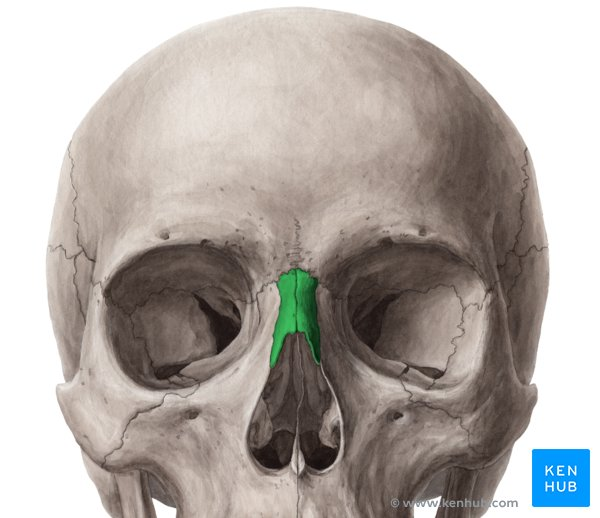
Nasal bones-form the upper bridge
45292[/ATTACH]"]
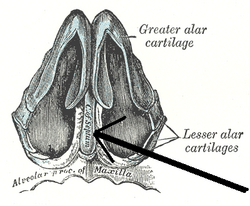
Septal cartilage: central support “strut”
45293[/ATTACH]"]
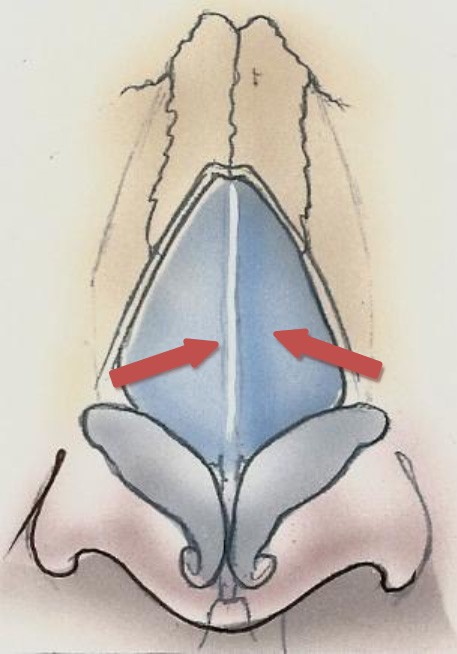
45294[/ATTACH]"]
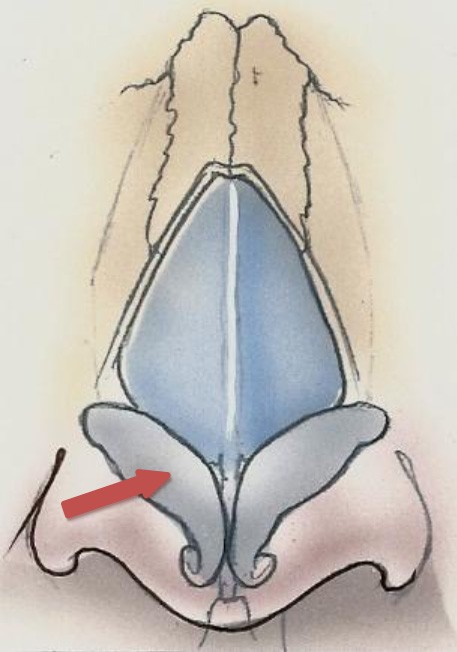
Lower lateral (alar) cartilages: define the tip, nostrils, and rim
45295[/ATTACH]"]
Columella: the strip between the nostrils
Alar base: the outer width of the nostrils
45296[/ATTACH]"]
These structures don’t just act independently they conect just having one good section is not enough
Nasal bones and upper lateral cartilages define the bridge lines
Septum and lower lateral cartilages control projection and tip
Alar base and tip determine front-view width
proportions & angles
Nasofrontal angle
-Women: ~95–110°
-Men: ~90–95° (slightly more downward)
-Men: ~90–95° (slightly more downward)
middle third
ideal:85-90*
chin to pilthrum
ideal:30.6-34%
effects on dimorphism
a broader nose are viewed as a dimorphic trait for men while a smaller nose is viewed as a dimorphic trait for women
functionality diffrences
in this study
Women had higher nasal resistance (NR)
(basically how hard it is for air to pass through)
Men had larger noses (surface area + volume)
SA (surface area) = internal lining areaVolume = total space inside the nasal cavity
But SA:V ratio was the same
Even though male noses are bigger, the proportion of surface area to volume is similar
Men had higher SAHF50
This is more technical, but basically:-It relates to how airflow and heat exchange behave under stronger breathing conditions
Female noses:
- Smaller
- Higher resistance
- Better at conditioning air (warming/humidifying)
Male noses:
- Larger
- Lower resistance
- Better at handling volume/airflow
Conclusion
if u have a shit nose get a rhinoplasty or clumela lowering or wtv u need see ya later